Kitchen Layout Changes: When Moving Plumbing Is Worth the Cost
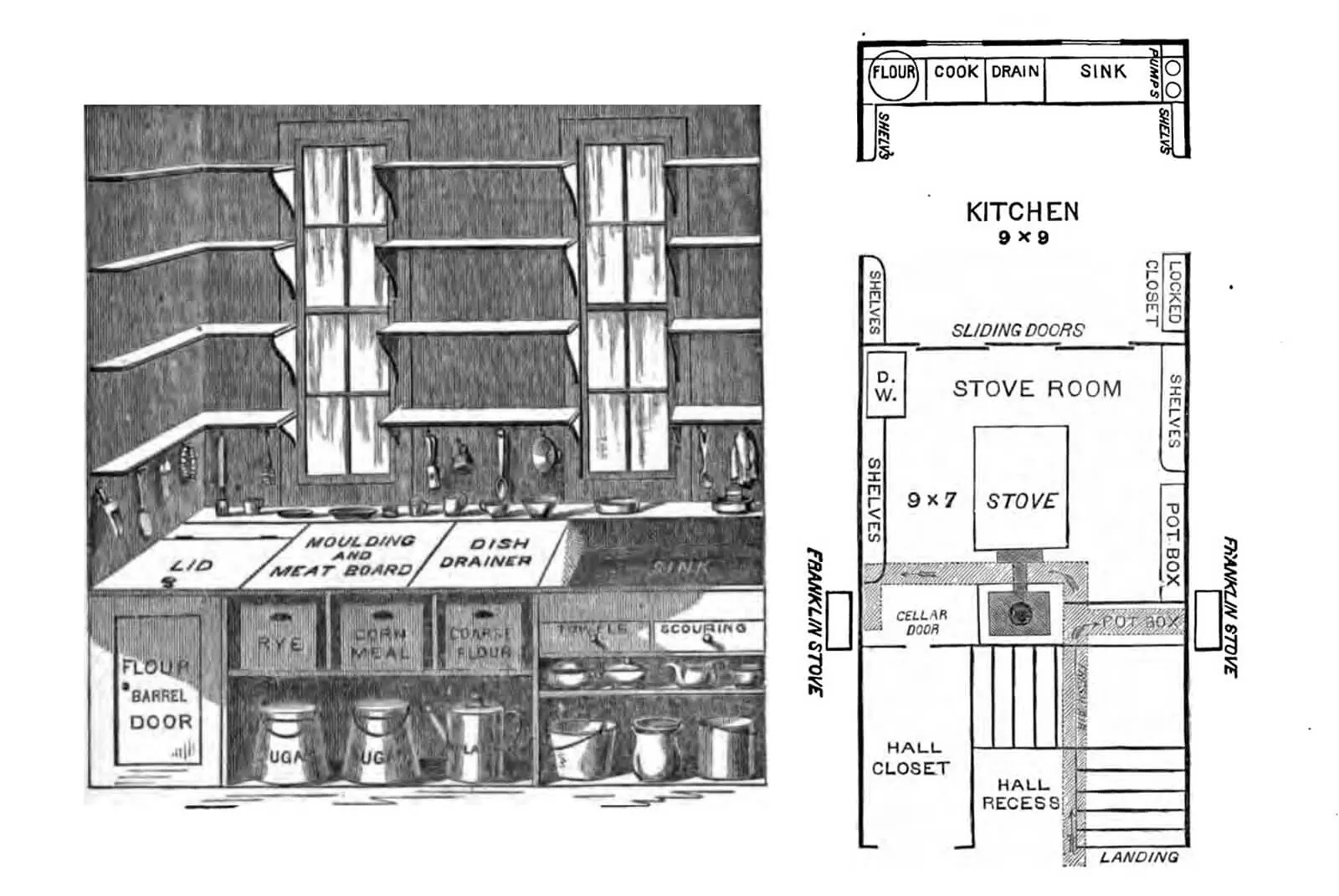
Public domain, via Wikimedia Commons
Moving plumbing in a kitchen is worth it when the new layout fixes a real problem, like a sink with no counter space or a dishwasher blocking the main walkway, and when the relocation is a short run (under 10 feet) through an open wall or accessible floor. It is usually not worth it when you are moving a sink across the room, cutting a slab foundation, or rerouting the vent stack just to chase a Pinterest layout. The honest cost range for a single fixture move is $1,500 to $5,000 depending on access, and that is before cabinets, counters, and flooring.
What you need
- A drawing or photo of the current layout showing supply lines, drain lines, and the vent stack location (your plumber or the previous permit file can usually confirm this)
- At least two quotes from licensed plumbers, scoped specifically to the plumbing move, separate from the general remodel quote
- Knowledge of your floor type: slab, crawlspace, or basement with open joists below, since this changes cost by a factor of 2 to 3
- A rough idea of drain slope requirements (1/4 inch per foot for most residential drain lines) to know if a new run is even feasible without raising the floor
- Local permit requirements for plumbing rough-in work, which almost every jurisdiction requires for anything beyond a direct fixture swap
- A budget line for finish repair: patched drywall, patched subfloor, new flooring sections, that is separate from the plumbing labor itself
Step by step
- Map what exists. Before anyone touches a layout, find out where the drain, supply, and vent actually run. In older homes the vent stack is often buried in a wall you assume is just structural. A plumber can trace this in an hour or two, and it should cost a small diagnostic fee, not a full redesign fee.
- Price the move on its own. Get a quote for the plumbing relocation by itself, separate from cabinets or counters. This tells you the real cost of the layout change instead of a blended number that hides it. A sink moving 3 feet along the same wall might run $800 to $1,500. A sink moving to an island across the room, needing new drain, supply, and vent, can run $3,000 to $8,000 depending on floor type.
- Check what the move touches. If the new location is on an exterior wall, you may need to deal with insulation and potential freezing in cold climates. If it is over a finished ceiling below, you are opening that ceiling too. If it is on a slab, you are cutting concrete, which adds $1,000 to $3,000 just for the cutting, patching, and dust containment.
- Decide based on function, not just looks. A layout change is worth the plumbing cost when it solves a real workflow problem: a sink under a window instead of against a wall, an island with a prep sink that actually gets used, a dishwasher door that no longer blocks the main path. It is a harder sell when the move is purely aesthetic and the current layout already works fine.
Where this goes wrong
The most common and most expensive mistake is forgetting about the vent stack. Every drain needs to vent to the outside air, either through the original stack, a new vent run tied into it, or in some jurisdictions an air admittance valve (a mechanical vent that avoids a full new run through the roof). Homeowners design a beautiful island with a prep sink, then find out venting it means either a roof penetration costing $1,500 to $3,000, or an AAV that may not be approved by local code. This gets discovered mid-demo far too often, when it should be the first question asked.
Second is underestimating the floor. On a slab, moving a drain means renting a concrete saw, cutting a trench, running new pipe, and pouring new concrete before any flooring goes back down. This alone can take 3 to 5 days and cost more than the fixture itself. On a basement or crawlspace with open joists below, the same move might take half a day. The floor type changes the math so much that it should be confirmed before anyone commits to a layout on paper.
Third is drain slope. A new drain run needs consistent fall toward the main line, roughly a quarter inch per foot. If the new fixture location is too far from the existing stack, or the floor doesn't have enough depth to build in that slope, the fix is either raising the floor (expensive and changes door and cabinet heights) or installing a sump and macerating pump system for that fixture, which adds equipment cost and a point of future failure.
Fourth is skipping the permit. Plumbing moves almost always require a permit and inspection, even when the work looks simple from the outside. Doing it without one saves a few hundred dollars upfront and creates a real problem at resale, when a home inspector or appraiser flags unpermitted plumbing work. Buyers and their lenders do not like surprises, and an unpermitted kitchen plumbing change can hold up a sale or trigger a price renegotiation.
Fifth, and this is the quiet one: finish costs get left out of the plumbing budget entirely. Opening a wall or floor to move a pipe means patching drywall, patching or replacing flooring in a way that matches the existing material, and sometimes repainting an entire wall because a patch won't blend. None of this shows up on the plumber's invoice. It shows up on the general contractor's invoice, or on your own credit card if you're doing the coordination yourself. Budget an extra 15 to 25 percent on top of the plumbing quote for finish repair, more if you're matching discontinued tile or flooring.
When to stop and call someone
Call a licensed plumber before you finalize any layout that moves plumbing, not after. A 20-minute consultation can save you from designing a layout that's expensive or impossible to execute. This is cheap insurance against a redesign later.
Do not attempt the actual pipe work yourself unless you are already a competent DIYer with real plumbing experience and your local code allows homeowner permits for this kind of work. Drain slope, venting, and pressure testing are not forgiving of guesswork, and a mistake hidden behind a wall can mean a slow leak rotting a subfloor for months before anyone notices.
Definitely call in a licensed plumber, and likely a structural professional too, if the move involves: cutting into a main stack, moving plumbing across or through a load-bearing wall, working on a slab foundation, or anything that requires a permit in your area (which is most plumbing relocation work). If you're flipping the property, unpermitted plumbing work is one of the fastest ways to lose money at inspection time, so treat the permit as part of the cost, not an optional extra.
At Fixer Files we hear from a lot of readers who got a kitchen layout quote that seemed reasonable, until the plumbing line item showed up separately and tripled the number. Ask for that number upfront, on its own line, before you fall in love with a floor plan you can't actually afford to plumb.
Get the real numbers
Every renovation post includes the actual costs. Join the list and get each new breakdown as it goes up.
Join the list