How Much a New Roof Really Costs (And What Changes the Price)
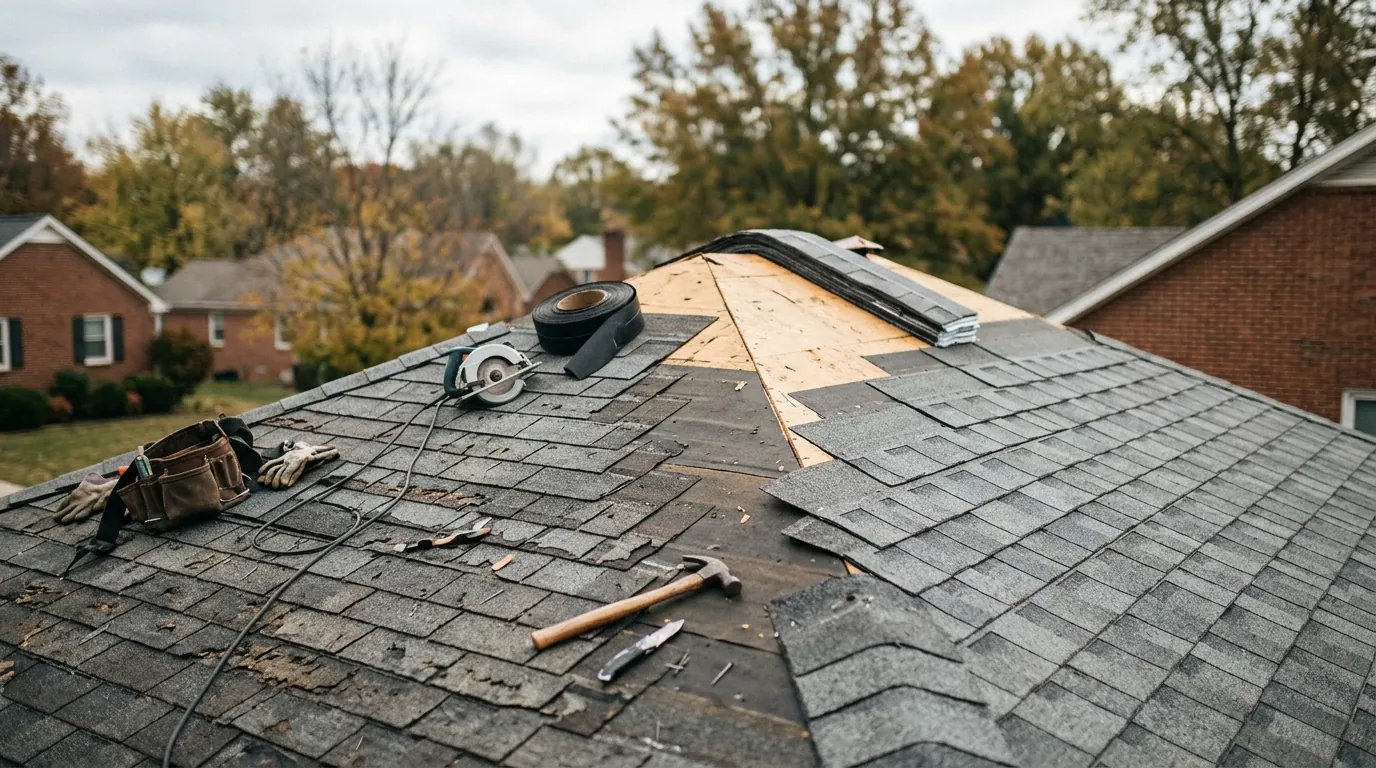
Generated (Gemini), via Wikimedia Commons
This is for homeowners getting quotes for a roof replacement, flippers pricing a job before they buy, and investors trying to figure out if a roof is a dealbreaker or just a line item. The single biggest decision is material, because it sets the floor and ceiling on everything else. Get that right first and the rest of the estimate makes sense. Get it wrong and you'll be comparing quotes that aren't actually comparable.
Decide this first
Pick the material before you talk price. A basic asphalt shingle roof on an average single-story house (roughly 1,500 to 2,000 square feet of roof area) commonly runs $8,000 to $16,000 installed. Architectural (dimensional) shingles push that to $12,000 to $20,000. Metal roofing runs $18,000 to $35,000 or more. Tile, slate, and specialty materials can go well past that. These are ranges, not quotes, because labor rates and roof complexity swing them hard in either direction. Everything else in this post, pitch, layers, decking, access, is a multiplier on whatever base number the material gives you.
What to look for
Roof size and pitch
Roofers price by the "square," which is 100 square feet of roof surface, not floor space. A steep roof has more actual surface area than the footprint suggests, and steep pitches slow crews down and require more safety gear, so cost per square goes up. A simple low-slope ranch and a steep Victorian with dormers are not the same job even if the house below them is the same size.
Tear-off and layers
If there's one layer of old shingles, tear-off is straightforward. If there are two or three layers stacked (common on older homes that got re-roofed without stripping the old material), tear-off takes longer, generates more disposal weight, and often reveals rot underneath that a single-layer tear-off wouldn't. Expect tear-off and disposal to add $1,000 to $3,000 depending on layers and roof size. Skipping tear-off by roofing over old shingles is sometimes allowed by code but it shortens the life of the new roof and can void material warranties, so treat "we can save money by not tearing off" as a red flag, not a discount.
Decking condition
Once the old shingles come off, the plywood or OSB decking underneath gets inspected. Soft spots, water staining, or delamination mean sections need replacing before new shingles go down. This is the classic "surprise" line item. Budget $60 to $150 per sheet of replaced decking, and ask your roofer for a per-sheet rate up front so a surprise doesn't turn into a negotiation mid-job. On older homes or ones with a history of leaks, assume some decking replacement is likely, not a worst-case scenario.
What to ignore
Lifetime warranties on shingles sound reassuring but they're prorated and mostly protect the manufacturer, not you. What actually matters is the installer's workmanship warranty, typically 2 to 10 years, because most roof failures are installation problems, not shingle defects. Don't pay a premium for a brand name warranty and skip vetting the crew doing the install.
"Cool roof" or reflective coating upsells matter in hot climates with real cooling costs, but in moderate climates the payback period is long and the marketing outpaces the actual energy savings. Ask for a straight number on expected utility savings before adding it, not a vague claim that it "helps."
Ridge vent brand and shingle color variety rarely affect price or performance meaningfully. Pick what looks right and matches the neighborhood if you're flipping. Don't let a salesperson spend twenty minutes on shingle algae-resistance granules when the real cost drivers are pitch, layers, and decking.
Common mistakes
The most expensive mistake is choosing a roofer by lowest bid without checking what's actually included. A quote that's $4,000 cheaper than the others often excludes tear-off, decking repair, or permit fees, and those get added back as change orders once the job starts. Get itemized quotes, not lump sums, so you can see what's actually being compared.
The second mistake is ignoring ventilation. A roof needs balanced intake and exhaust venting in the attic, or heat and moisture build up underneath the new shingles and shorten their life regardless of how good the material is. This is invisible from the ground and easy for a corner-cutting crew to skip, so ask specifically what ventilation work is included, not just "new roof."
The third mistake, especially common with flippers and investors, is patching instead of replacing when the roof is genuinely near the end of its life. A $1,500 patch on a 20-year-old shingle roof buys a year or two at most, and if you're planning to sell within that window, a buyer's inspector will flag the age anyway. Sometimes the patch is the right call for cash flow. Sometimes it's just delaying a cost the next owner will negotiate off the sale price, and you'd have been better off doing the full replacement and pricing it into the listing.
A less obvious mistake is not checking permit requirements before the job starts. Most jurisdictions require a permit for a full tear-off and replacement, and skipping it can cause problems at resale when a buyer's title company or inspector asks for it. A legitimate roofer will pull the permit as part of the job. If a contractor suggests skipping it to save time or money, that's a sign to get a second bid.
FAQ
How long should a new roof last?
Asphalt shingles are typically rated 20 to 30 years depending on the product tier, though real-world performance depends heavily on ventilation, climate, and installation quality. Metal roofs commonly last 40 to 60 years. Tile and slate can last well beyond that, but the underlayment beneath them may need replacement on a shorter cycle even if the tiles themselves survive.
Is it worth replacing a roof before selling a house?
It depends on the roof's actual condition and the local market. If the roof is clearly near end of life, and buyers in your market are financing through conventional loans, an old roof can kill a deal or trigger a big price reduction during inspection negotiations. If the roof has real years left, cosmetic wear alone usually isn't worth a full replacement before sale. Get a roofer's honest assessment of remaining life, not just an age estimate, before deciding.
Can I get an accurate quote without someone on the roof?
No. Satellite-measurement quotes can estimate square footage reasonably well, but they can't see decking condition, layer count, or flashing problems around chimneys and skylights, all of which move the price. Treat any quote given without a physical inspection as a rough starting point, not a number to budget against.
Roofing is one of those renovation categories where the range between a fair price and an inflated one is wide, and where the cheapest bid is often cheap because something's missing, not because the crew is more efficient. If you're pricing a flip or planning a renovation and want more real-cost breakdowns like this one, that's what Fixer Files is for.
Get the real numbers
Every renovation post includes the actual costs. Join the list and get each new breakdown as it goes up.
Join the list