The Demo Costs Nobody Budgets For
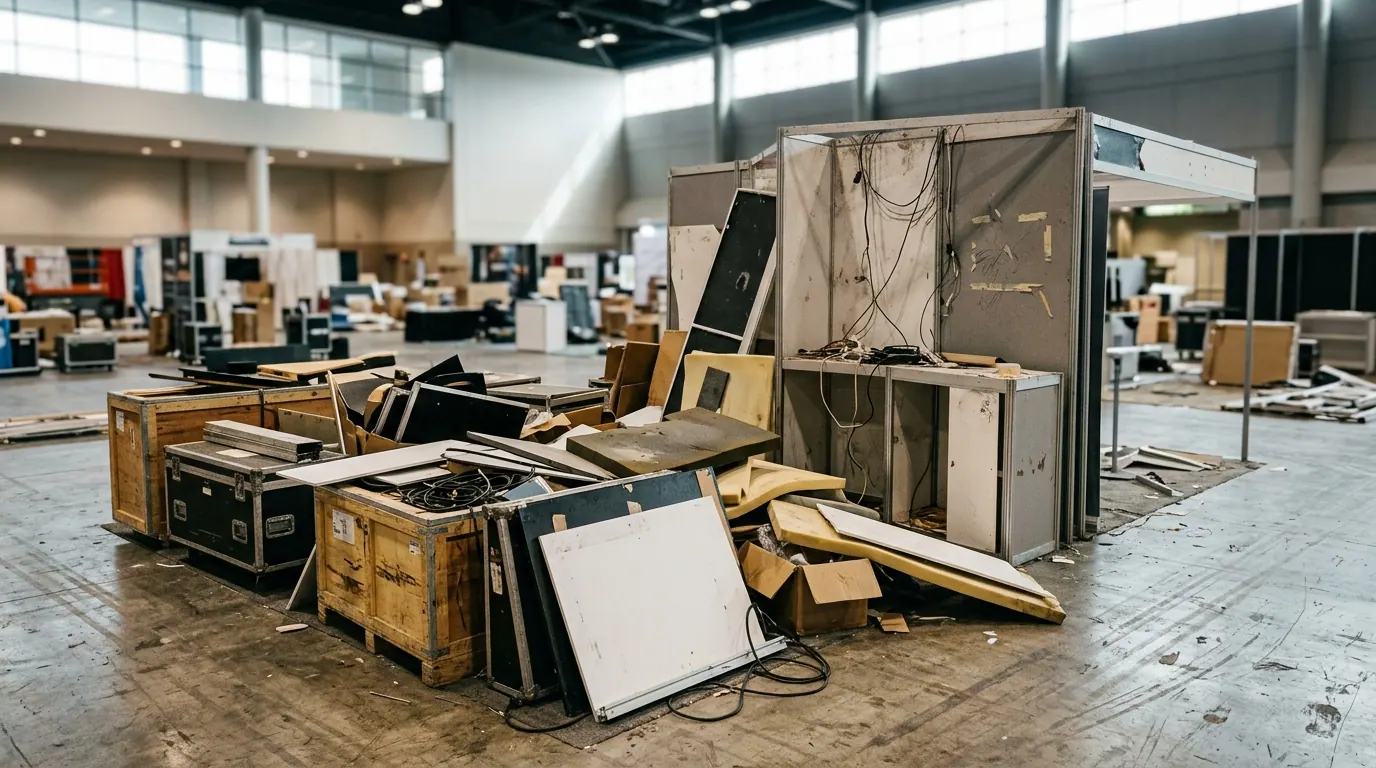
Generated (Gemini), via Wikimedia Commons
Demo is not the free part of a renovation. Most homeowners and first-time flippers budget for the dumpster and a weekend of sledgehammer work, then get hit with disposal fees, permit costs, and testing bills that can add $3,000 to $15,000 to a project before a single new stud goes up. The gap between the swing-a-hammer version of demo and the real one is where a lot of budgets go sideways.
Key takeaways
- Dumpster and disposal fees often run $400 to $1,200 per 20-yard container, and overage fees for heavy debris like tile or concrete can add hundreds more.
- Asbestos and lead testing should be budgeted for any home built before 1990, even if you plan to do the demo yourself.
- Structural surprises behind walls and under floors are common enough that they belong in the demo line item, not the "hope it doesn't happen" pile.
- Permit fees for demo alone can run from $50 for a single room to over $1,000 for a full structural gut, depending on your city.
- A realistic demo contingency is 15 to 20 percent of the demo budget itself, not just a slice of the overall project contingency.
Why does demo blow past the budget so often?
Demo looks simple because it looks like destruction, and destruction feels free. You are not buying materials, you are removing them. But every pound of debris you create has to go somewhere, and somewhere costs money. A single-family home renovation that guts a kitchen and two bathrooms can easily generate 4 to 8 tons of debris. That weight gets billed by the ton at most transfer stations and landfills, on top of the dumpster rental itself.
The other reason demo runs over is that people price the labor of swinging a hammer, not the labor of sorting, loading, and hauling. Tearing out a wall takes an hour. Getting the lath, plaster, wiring, and insulation separated, bagged, and loaded into a truck or dumpster takes three or four times as long. If you are paying a crew by the hour, that sorting and hauling time is where the invoice grows.
Renovation shows compress demo into a montage, which trains viewers to think it takes a day and costs almost nothing. In reality, a full interior demo on an average-size house takes a crew of two or three people three to five days, not counting disposal runs. Budget the time the same way you'd budget the money: generously, and with a buffer.
Finally, demo is where the house tells you what it's actually made of. New builds and recent renovations behave predictably when you open them up. Older houses do not. What's behind that drywall might be original plaster and lath, balloon framing, knob-and-tube wiring, or a layer of asbestos tile glued to the subfloor. None of that shows up on a walkthrough. It shows up once the crowbar goes in.
What's actually in a demo line item
A demo budget that only says "demo: $2,500" is not a real budget. Here's what should be broken out, with rough ranges. These are ranges, not quotes, and they shift a lot by region and by what's actually in the house.
- Labor: $2 to $6 per square foot for interior demo (drywall, flooring, cabinets, fixtures), or $40 to $75 per hour per laborer if you're hiring by the hour.
- Dumpster rental: $400 to $800 for a 20-yard container for one to two weeks, more in high-cost metro areas, plus a weight limit (usually 2 to 4 tons) with overage fees of $50 to $100 per additional ton.
- Disposal/tipping fees: separate from the dumpster rental if you're hauling yourself, typically $50 to $120 per ton depending on material and local landfill rates.
- Permits: $50 to $300 for interior non-structural demo in most municipalities, $500 to $1,500+ for demo involving structural walls or a full teardown, plus possible inspection fees.
- Utility disconnects: if you're removing anything near gas, water, or electrical lines, budget $150 to $500 for a licensed trade to safely cap or disconnect before demo starts.
Add these up on even a modest single-room gut and you're often at $2,000 to $4,000 before framing work begins. On a whole-house interior demo, $6,000 to $15,000 is a realistic range, and that's before anything unexpected turns up.
The hidden costs that catch people off guard
This is the section that actually matters, because it's where budgets get destroyed. A few things come up over and over on older homes.
Asbestos. If the house was built before 1990, and especially before 1980, there's a real chance of asbestos in floor tile, mastic, popcorn ceilings, pipe insulation, or siding. Testing a handful of samples runs $200 to $800 through a certified lab. If asbestos comes back positive, abatement isn't a DIY job in most states. Professional abatement runs $3 to $15+ per square foot, and many companies have a minimum job charge of $1,500 to $3,000 even for a small area. Skipping the test to save $400 and finding out the hard way, after the material is already disturbed and airborne, is one of the most expensive mistakes in older-home renovation.
Lead paint. Pre-1978 homes are presumed to have lead paint under federal rules, which means contractors working on them often need to follow lead-safe work practices, including containment and specific disposal methods. This adds labor cost and disposal cost, generally in the range of 10 to 20 percent more than a comparable lead-free job.
Mold behind walls. Any water history in a house, even an old one, can leave hidden mold once walls come down. Small, contained mold removal might run $500 to $1,500. Larger jobs involving structural drying and remediation can run $3,000 to $6,000 or more. This is one of the most common "we found something" moments in demo, and it's rarely zero-cost to fix once it's found.
Structural surprises. Rotted sill plates, undersized or fire-damaged framing, and knob-and-tube wiring that's still live are all things that get discovered mid-demo, not before. There's no clean number for this because it depends entirely on what's found, but a $1,000 to $5,000 buffer for structural repairs discovered during demo is a reasonable placeholder for an older home.
Heavier-than-expected materials. Old plaster and lath is dramatically heavier than drywall. A layer of ceramic tile over an older layer of tile (common when a previous owner tiled over tile instead of tearing it out) doubles the weight and the disposal cost for that one room. This is a small thing that quietly pushes dumpsters into overage fees.
How to budget for demo realistically
The fix isn't complicated, it's just discipline. Treat demo as its own line item with its own contingency, not a rounding error folded into "labor."
- Get a written, itemized demo quote that separates labor, disposal, and permit costs, not a single lump sum.
- Order pre-renovation testing for asbestos and lead on any home built before 1990, even if the plan is to do demo yourself. It's cheap insurance against a very expensive surprise.
- Ask your dumpster company about weight limits and overage rates before you fill the container, especially if you're removing tile, plaster, or concrete.
- Add 15 to 20 percent on top of your demo estimate specifically, separate from your overall project contingency. Demo is where unknowns live, and this buffer is where you pay for them without derailing the rest of the budget.
- Confirm what your local permitting office actually requires before you demo a wall you assume is non-structural. Guessing wrong here can mean stop-work orders and re-inspection fees on top of the original cost.
FAQ
Can I skip permits for interior demo to save money?
Sometimes, if the work is purely cosmetic (removing cabinets, flooring, non-structural finishes) many jurisdictions don't require a permit. But once you're touching a wall that might be load-bearing, plumbing, or electrical, skipping the permit risks a stop-work order, fines, or problems when you sell. Check with your local building department before assuming.
Is it cheaper to do demo myself?
Labor is usually the cheapest part to DIY, but disposal costs stay the same whether you or a crew hauls the debris. You'll also spend more time than expected sorting and loading, and you take on the risk of not recognizing asbestos, lead, or structural issues that a trained crew would flag immediately. For anything built before 1990, at minimum have testing done before you swing a hammer yourself.
How much should I set aside for demo surprises on an older home?
As a rough range, budget an extra 15 to 20 percent of your demo estimate for surprises on a house over 40 years old, and lean toward the higher end if you know there's been water damage, unpermitted work, or a long history of DIY repairs. It's a range because the actual number depends entirely on what's behind the walls, which nobody can know for certain until they open them.
The bottom line
Demo is not the free, fun part of a renovation. It's the part where the house's real condition gets revealed, and revealing it costs money in testing, disposal, permits, and the occasional unwelcome discovery. Budget it like a real phase of the project, with its own line items and its own contingency, and it stops being the thing that quietly wrecks the rest of your plan. We track this kind of real-cost breakdown across actual renovations at Fixer Files, and demo is consistently one of the categories people underestimate the most.
Get the real numbers
Every renovation post includes the actual costs. Join the list and get each new breakdown as it goes up.
Join the list